
Bonding
Branding
Business
Economy



Bihar’s Economic Growth and Development
Bihar’s economy is primarily agrarian, with agriculture forming the backbone of livelihoods
for most of its population. The fertile Gangetic plains, abundant water resources, and
favourable climate support the cultivation of paddy, wheat, maize, pulses, sugarcane, and
oilseeds. The state is also a leading producer of vegetables, fruits such as litchi, mango,
and banana, and the globally valued makhana (fox nuts).
In recent years, Bihar has recorded one of the highest GDP growth rates among Indian states,
propelled by rapid development in infrastructure, construction, communication, and various
service sectors. Strong investments in roads, bridges, power supply, and rural connectivity
have boosted trade and supported the growth of small-scale and agro-based industries.
The service sector — including education, healthcare, retail, transport, and communication —
has emerged as a major contributor to the state’s economy. Migration remains a significant
socio-economic factor, with a large share of Bihar’s workforce employed in other states and
abroad, contributing to the economy through remittances.
With ongoing reforms, improved governance, and a growing focus on agro-based industries, renewable energy, entrepreneurship, and skill development, Bihar holds strong potential for inclusive and sustainable economic growth. Its young population, if empowered with skills and opportunities, can become a major driver of the state’s transformation.
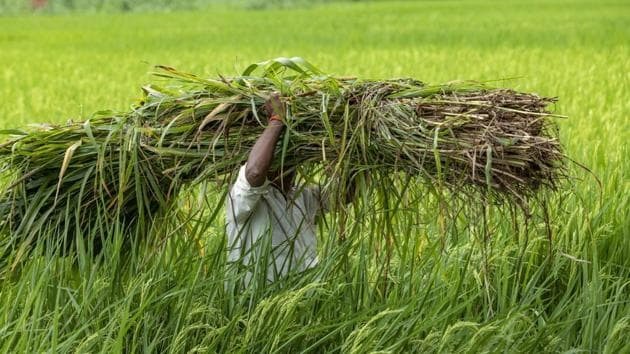
- Fertile plains support crops like paddy, wheat, maize, pulses, and sugarcane.
- Leading producer of litchi, mango, banana, vegetables, and makhana.
- Agriculture remains the primary livelihood for most households.